Hobby 1 hunting distantly towards Prescot Reservoirs.
Common Tern 1 adult
Oystercatcher 1
Kingfisher 1
Nuthatch 1
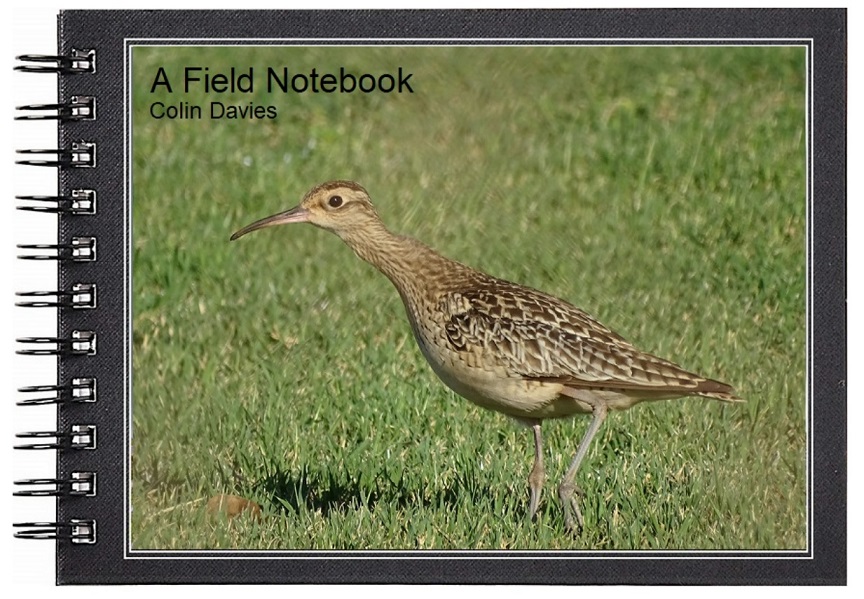
Saturday, 6 July 2013


Friday, 5 July 2013
Rainford Mosslands
Curlew pair with 4 chicks
Oystercatcher pair with chick
Little Owl 1 Old Coach Road
Buzzard 2 Berringtons Lane, 2 Dairy Farm Road
Tree Sparrow 4 Kings Moss
Linnet 4 Catchdale Moss
Yellowhammer 2 singing Berringtons Lane
I was amazed and delighted to find the Curlews with chick, the first time I've known them to breed in St Helens.


Little Owl and Curlew chick.
Oystercatcher pair with chick
Little Owl 1 Old Coach Road
Buzzard 2 Berringtons Lane, 2 Dairy Farm Road
Tree Sparrow 4 Kings Moss
Linnet 4 Catchdale Moss
Yellowhammer 2 singing Berringtons Lane
I was amazed and delighted to find the Curlews with chick, the first time I've known them to breed in St Helens.


Little Owl and Curlew chick.
Red eyes at Leg O'Mutton an Paddock Dam
About 8 Red-eyed Damselflies at Leg O'Mutton Dam, and about another 5 at Paddock Dam today. Also Brown Hawker and Emperor Dragonfly. These 2 dams are next to Taylor Park and are probably the only reliable sites in St Helens for Red-eyed Damselflies, though they have also been recorded in the Sankey Valley.


Red-eyed Damselflies are a lily pad loving species. They are annoyingly difficult to photograph because they will insist on sitting out on a lily pad in the middle of a lake. They never seem to choose the plants nearest the shore! Apart from having red eyes, they also seem to have more bulbous eyes than other damselflies, which are quite obvious even in flight.


Red-eyed Damselflies are a lily pad loving species. They are annoyingly difficult to photograph because they will insist on sitting out on a lily pad in the middle of a lake. They never seem to choose the plants nearest the shore! Apart from having red eyes, they also seem to have more bulbous eyes than other damselflies, which are quite obvious even in flight.

Eccleston Mere
Common Tern 1 adult
Willow Tit 1 heard
Nuthatch 2 (adult and juvenile)
Bullfinch 2 (male and juvenile)
Buzzard 1
Kingfisher 1
Mute Swan 2 adults
Willow Tit 1 heard
Nuthatch 2 (adult and juvenile)
Bullfinch 2 (male and juvenile)
Buzzard 1
Kingfisher 1
Mute Swan 2 adults
Curlew breeding at the Old Coach Road

A curlew chick, one of four that were in the rushy field adjacent to the Old Coach Road, about 400m south of the Dairy Farm Road. This is the only breeding of the species in St Helens in recent times that I am aware of. This was right alongside the gate at the entrance to the field.
Posted: 02/08/2025
Thursday, 4 July 2013
More bat analysis from Eccleston Mere
On Wednesday evening I visited the mere with Anthony Nickson from Merseyside Bat Group. As usual there was a lot of bat activity, but it was subtly different to previous nights, with many more Noctules than usual, and a lot less Daubenton's. We had three different types of bat detector with us, a heterodyne, an EM3 and an Anabat.
Using the results from a GPS attached to the Anabat, Anthony was able to create a Google Earth KML file which maps the positions of the bats we recorded around the mere. Because there were so many bats, there is a lot of overlapping and therefore not every record appears on the map at this resolution. We did pick up 6 calls from bats which Kaleidoscope identified as Serotine, and two of these are marked on the maps as "Big bat". However due to the large numbers of bats in a relatively confined area, it seems most likely that these calls were actually Noctules in a clustered environment.

Pipistrelle records. P55 = Soprano Pipistrelle, P45 = Common Pipistrelle

Noctule and "Big bat" records.

Duabentons's and myotis sp records.
Using the results from a GPS attached to the Anabat, Anthony was able to create a Google Earth KML file which maps the positions of the bats we recorded around the mere. Because there were so many bats, there is a lot of overlapping and therefore not every record appears on the map at this resolution. We did pick up 6 calls from bats which Kaleidoscope identified as Serotine, and two of these are marked on the maps as "Big bat". However due to the large numbers of bats in a relatively confined area, it seems most likely that these calls were actually Noctules in a clustered environment.

Pipistrelle records. P55 = Soprano Pipistrelle, P45 = Common Pipistrelle

Noctule and "Big bat" records.

Duabentons's and myotis sp records.
Wednesday, 3 July 2013
Eccleston Mere
Common Tern 1
Gadwall 1 female
Mute Swan 2 adults
Swift 200
Kingfisher 1
Chiffchaff 1 family party
Gadwall 1 female
Mute Swan 2 adults
Swift 200
Kingfisher 1
Chiffchaff 1 family party
Tuesday, 2 July 2013
Eccleston Mere
Common Tern 1 adult
Mute Swan 2 adults
Grey Wagtail 1
Swift 200
House Martin 50
Swallow 30
Coot 44 + at least 4 chicks
No sign of last nights Hobby, but it's probably still in the area.
Mute Swan 2 adults
Grey Wagtail 1
Swift 200
House Martin 50
Swallow 30
Coot 44 + at least 4 chicks
No sign of last nights Hobby, but it's probably still in the area.
Monday, 1 July 2013
Eccleston Mere
Hobby 1
Gadwall 1 male
Mute Swan 2 adults
Tufted Duck 4 males
Swift 200
House Martin 50
The Hobby flew into the southern (flooded) woods just as I was walking past, landed on top of a dead tree and turned to look at me. It sat there for about 30 seconds, giving me my best ever view of a perched Hobby. A really stunning sight.
Eccleston Mere (2013) 101


Bee Orchid
Gadwall 1 male
Mute Swan 2 adults
Tufted Duck 4 males
Swift 200
House Martin 50
The Hobby flew into the southern (flooded) woods just as I was walking past, landed on top of a dead tree and turned to look at me. It sat there for about 30 seconds, giving me my best ever view of a perched Hobby. A really stunning sight.
Eccleston Mere (2013) 101


Bee Orchid
Paddock Dam
I took these photos of a Great crested Grebe with a chick on its back at Paddock Dam this evening. A pity the light wasn't a bit better.


Lancashire moors


Two species of Cottongrass (which is actually a sedge), Common Cottongrass and Hares tail Cottongrass. Both are common in moorland areas. Notice that Hares tail terminates in a single piece of cotton, whereas Common terminates in more than one.

I found this Drinker moth caterpillar on the moors.
Subscribe to:
Posts (Atom)
Popular Posts
-
 On Saturday I reported seeing a ringed Mediterranean gull at Pennington Flash. By taking a few photos of the ring from d...
 -
 There's been a drake bufflehead frequenting the North Wales coast since the beginning of December and finally today I managed...
 -
 Martin Mere is far and away the best nature reserve in North West England and probably in the top 5 in the country. It's jus...